
Reality, Captured
Your Site, In 3D
For AECO, Survey, Heritage, Asset Management, VFX, & more.
At BuildingReality, we capture buildings, sites and objects as detailed photogrammetry mesh models, photo-realistic 3D Gaussian Splats, & accurate point clouds you can explore, inspect, measure and keep.
-
![An aerial view of an old stone tower with a tall chimney, surrounded by grassy paths and shrubbery.]()
3D For Heritage
Capture a heritage asset as a 3D photo-realistic record for understanding and interpretation or as an accurate, scaled record of listed and at-risk fabric for repair and archive .
-
![]()
3D For Infrastructure & Inspection
Record and inspect detailed, controlled or hard-to-reach areas remotely. Captured as an accurate, measurable mesh to work from, or a photoreal Gaussian Splat that renders ultra fine detail
-
![]()
3D Environments For Film, TV & VFX
Photoreal capture of real locations using Gaussian Splatting to scout shots, or to use as backplates and environments in production.
-
![]()
3D for Marketing & Property
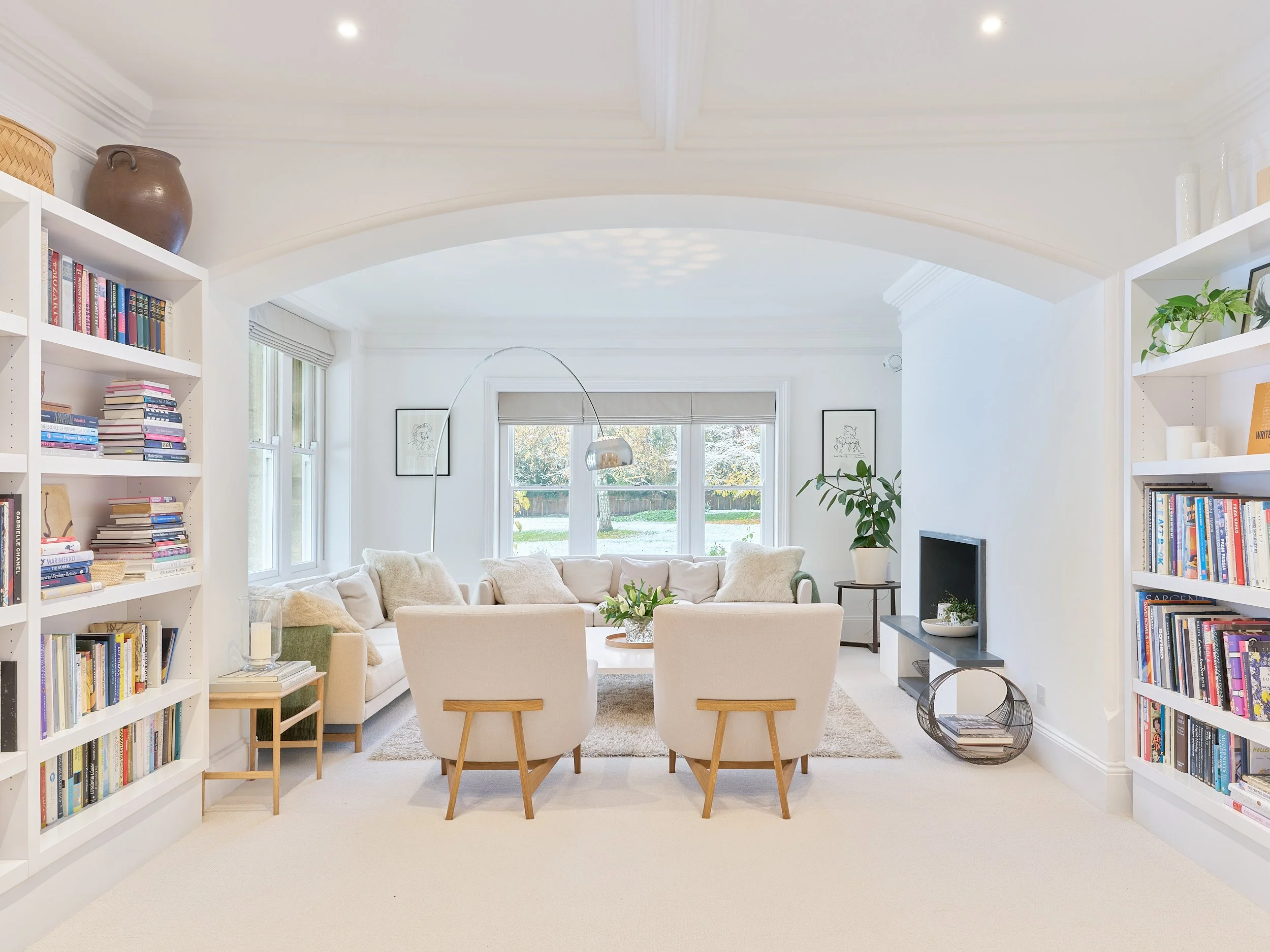
Show a building or high-end property as a photoreal model people can move through, supplementing or replacing stills and drone video.
-
![]()
3D Wide-Area Capture
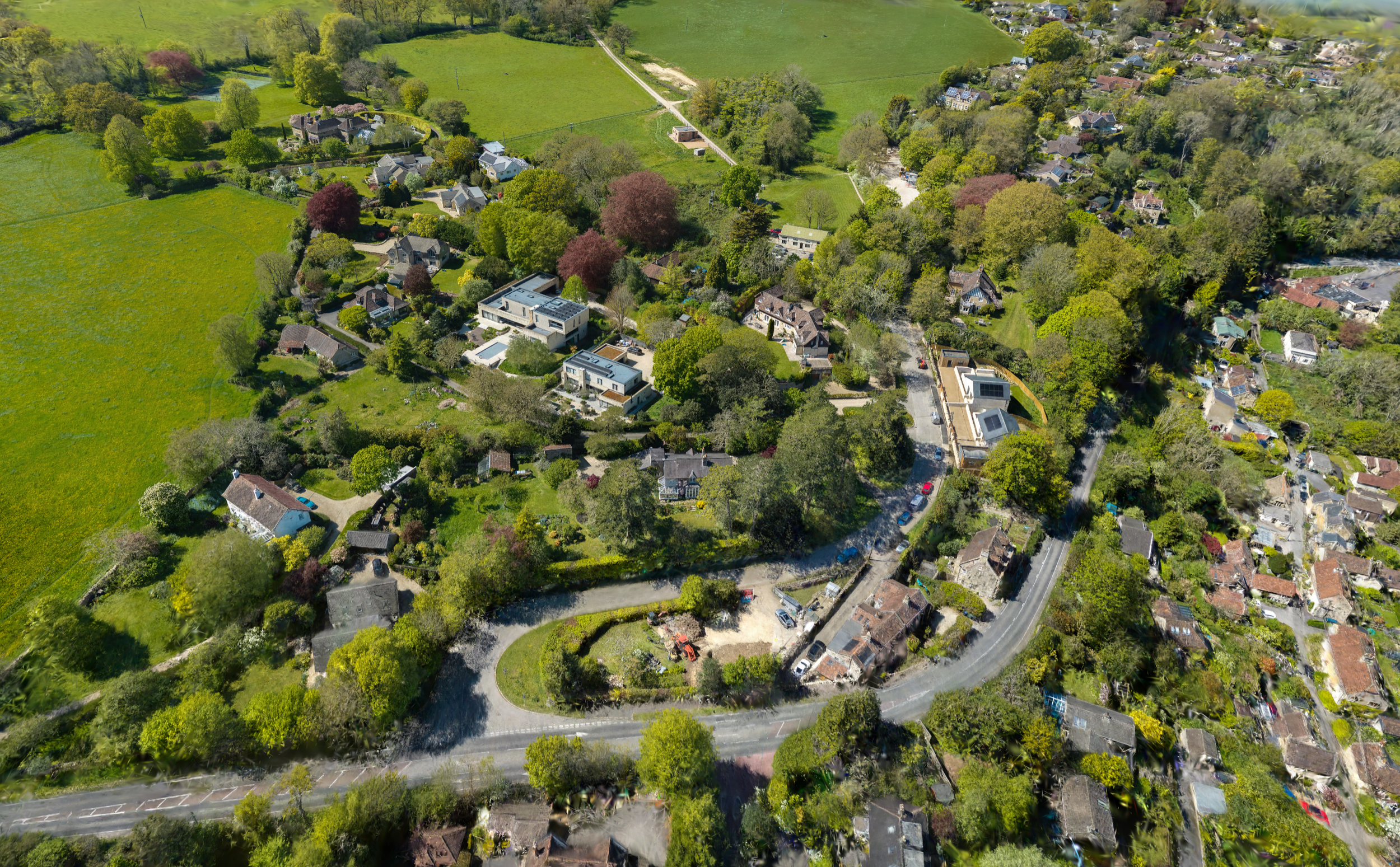
3DGS or mesh models of whole sites, streets or landscapes in one model, showing how a place sits in its surroundings, for planning, estates management, development and public engagement
-
![]()
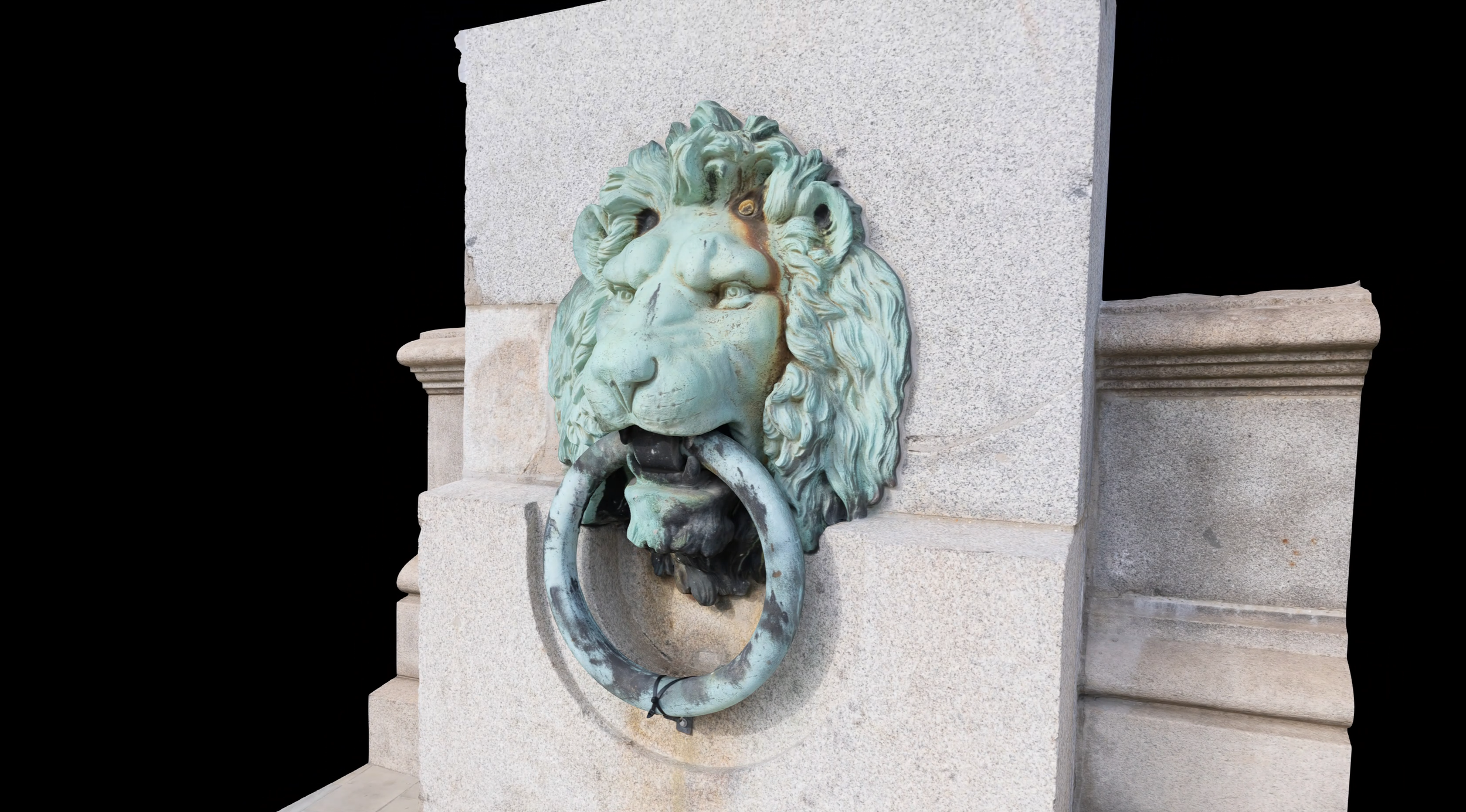
3D for Objects & Detail
Specialist close-range photogrammetry capture of objects, sculpture or building details such as carvings, as a precise 3D record for study, repair and recreation, conservation or display.
-

Accurate geometry
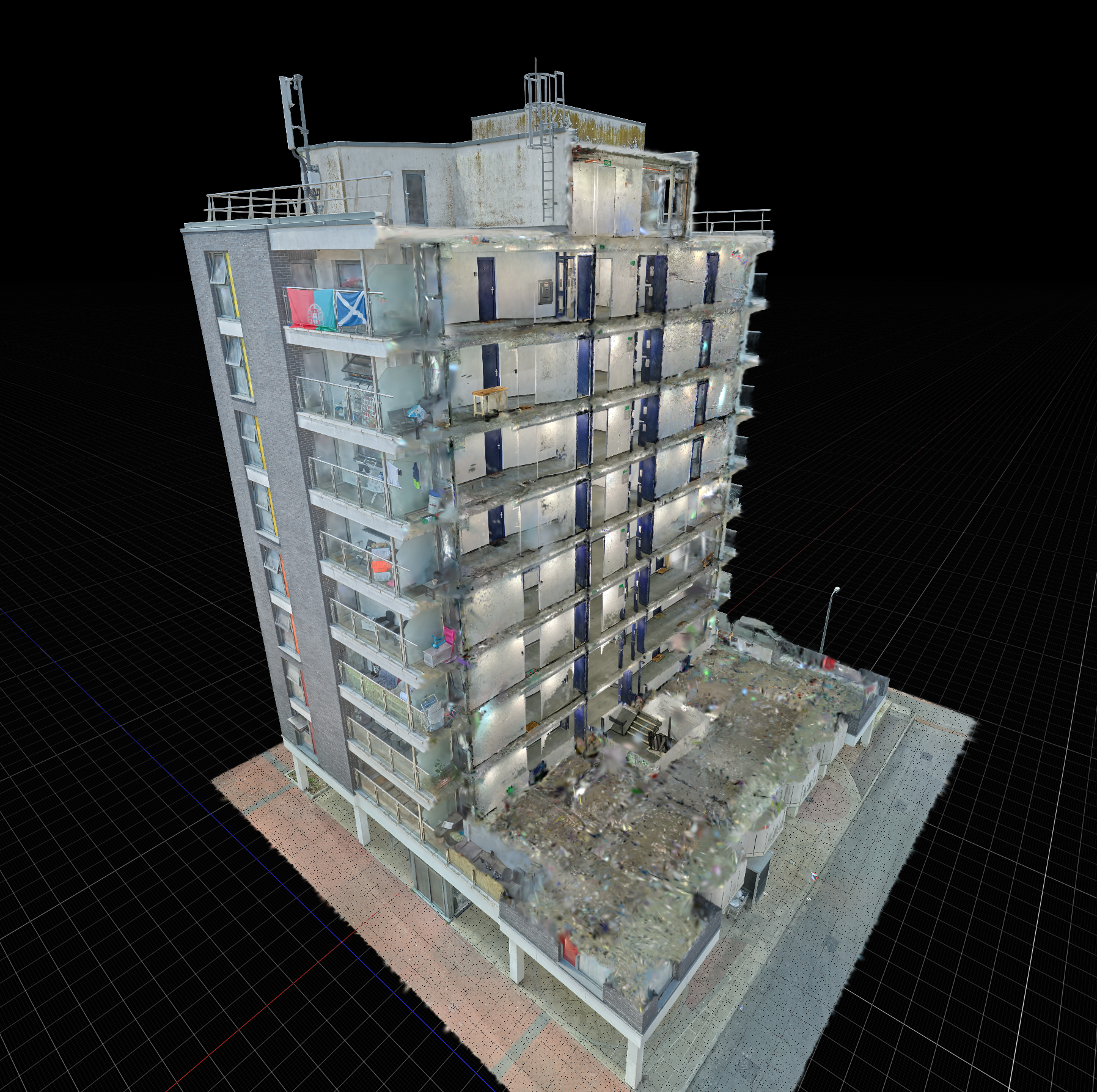
A photogrammetry mesh records the building as georeferenced, measurable geometry, down to fine surface detail.
-

Explore and measure
Take measurements, check conditions, add annotations and generate reports. Cut sections through walls and floors for easy exploration.
-

Online and offline delivery
Models are delivered online and open in a web browser, on site or in the office on any device. Files are available for offline software and archiving.
-
Photorealistic 3D
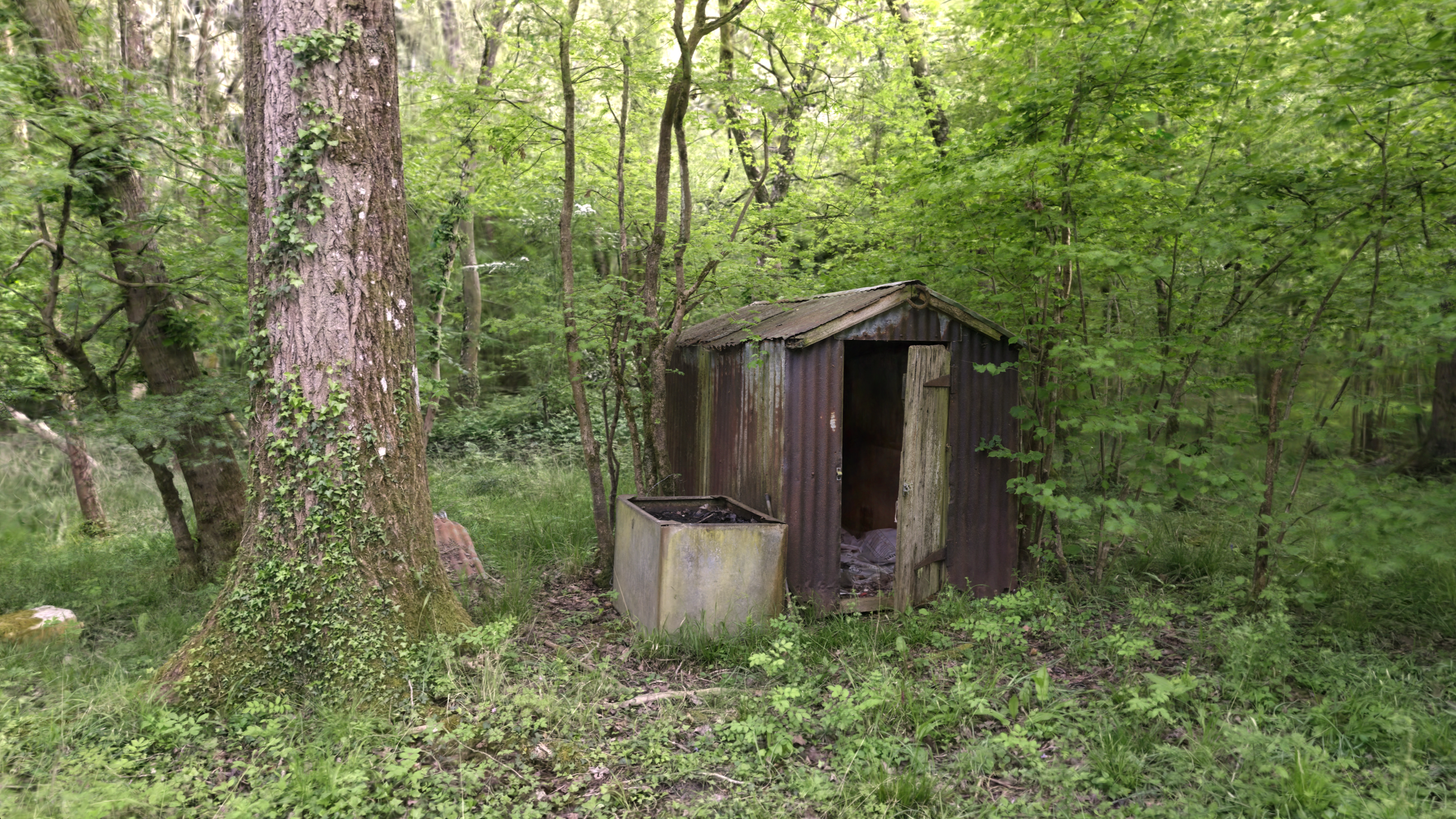
For renders and visualisation, a Gaussian Splat is photorealistic, so glass walls, light, reflections, and natural elements are rendered true to life.
Types Of Capture
-

Gaussian Splatting
A Gaussian Splat the environment photo-realistically, including lighting, sky and surrounding landscape, along with fine detail such as vegetation. It can also render transparent surfaces like glass. This makes it well suited to work where visualisation is the main objective.
For measuring, a photogrammetric mesh can be used instead or alongside.
-
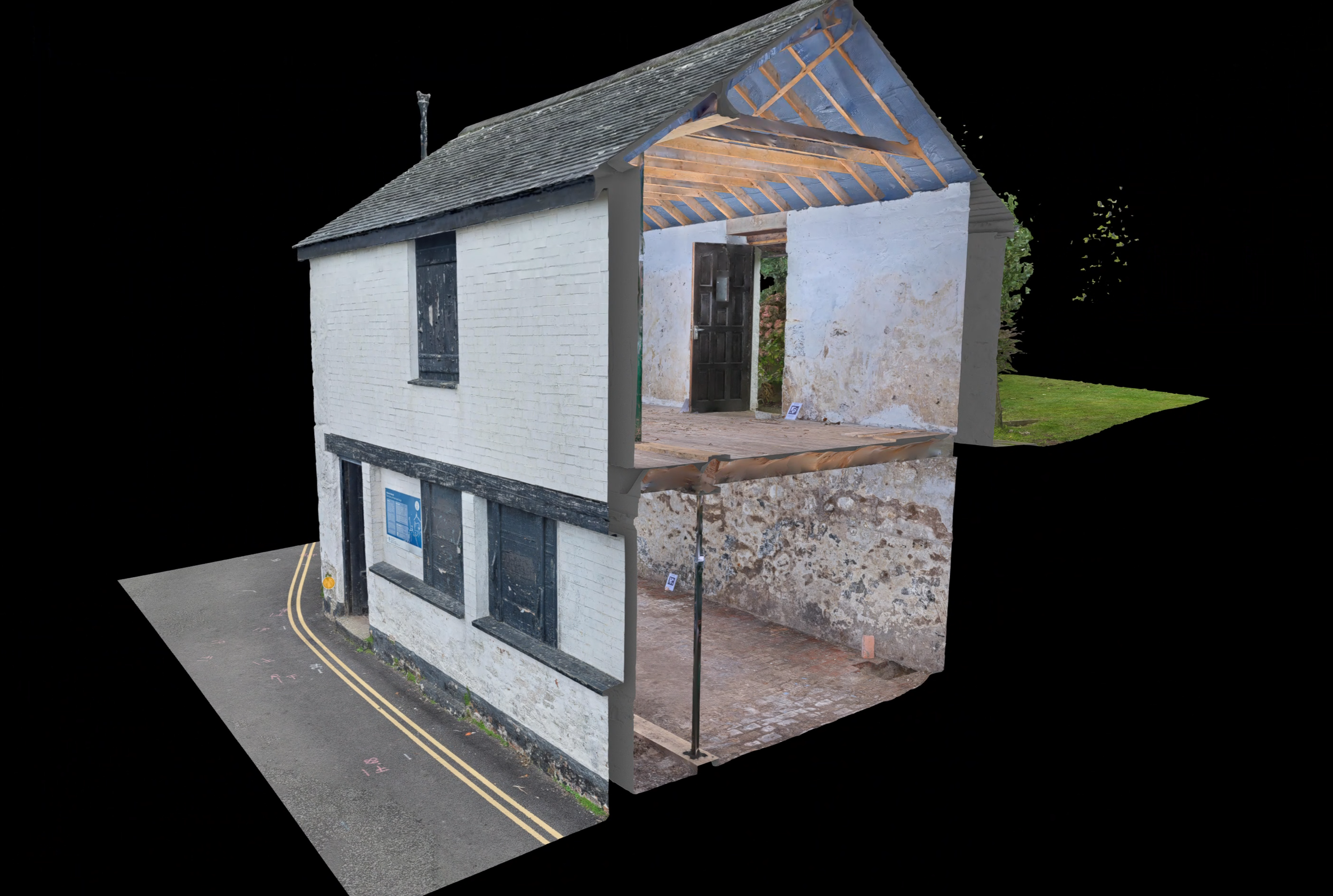
Mesh Models
A photogrammetric mesh is a textured model built from overlapping photographs, with real, scaled geometry you can measure and work from. Surface detail such as cracks, erosion, staining and missing elements is visible in 3D, so the model can be used for condition surveys and inspection as well as taking dimensions, areas and volumes.
This makes it well suited to work where inspection and measurement are the main objective.
-
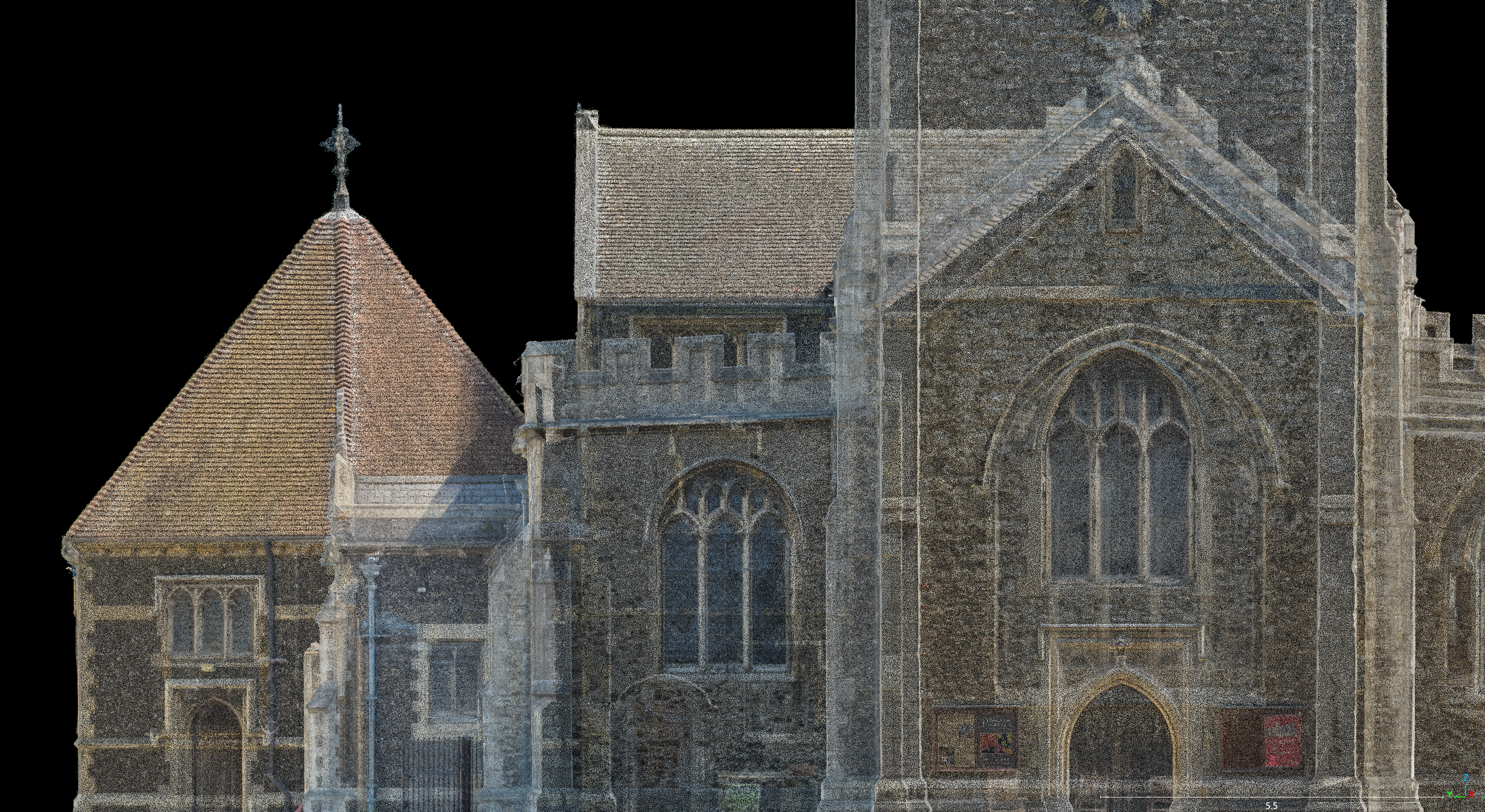
Point Clouds
A point cloud records the site as millions of measured points, each with a position and colour. It can be generated from photogrammetry or LiDAR/SLAM scanning, registered to survey control, and exported as E57, LAS or RCP for Revit, CAD and scan-to-BIM workflows. This makes it well suited to work where the data feeds directly into design and modelling.
For a continuous textured surface, a photogrammetric mesh can be used instead or alongside.
How we capture
-
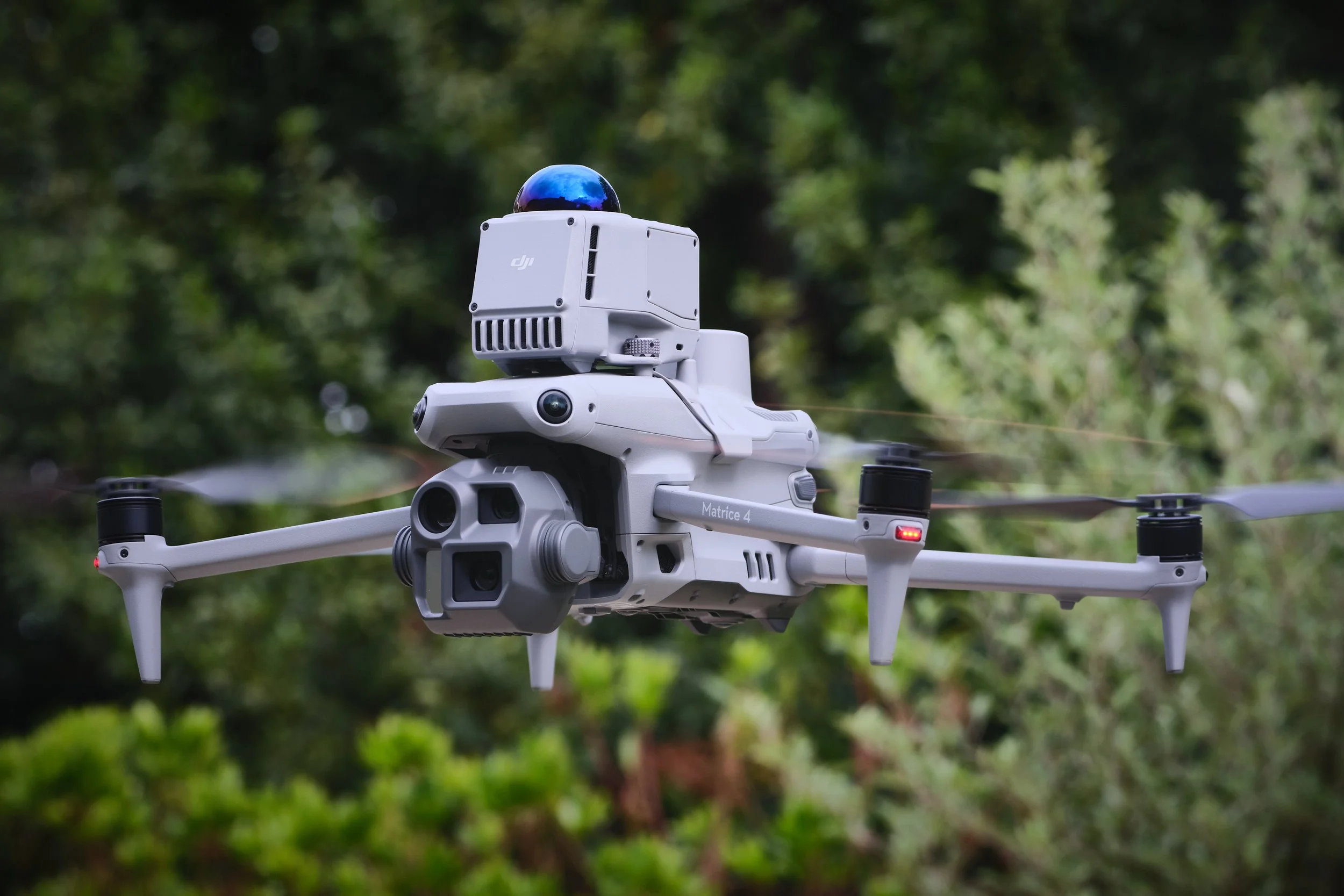
Aerial 3D capture
We fly enterprise drones with RTK (real-time kinematic) positioning, using close-range automated mapping flights with dense image overlap to capture detail down to millimetre-level GSD (ground sample distance). Survey control methods allow data to be checked for accuracy.
The images are processed into measurable 3D meshes, point clouds, orthomosaic maps, or terrain data such as digital terrain models (DTMs).
-
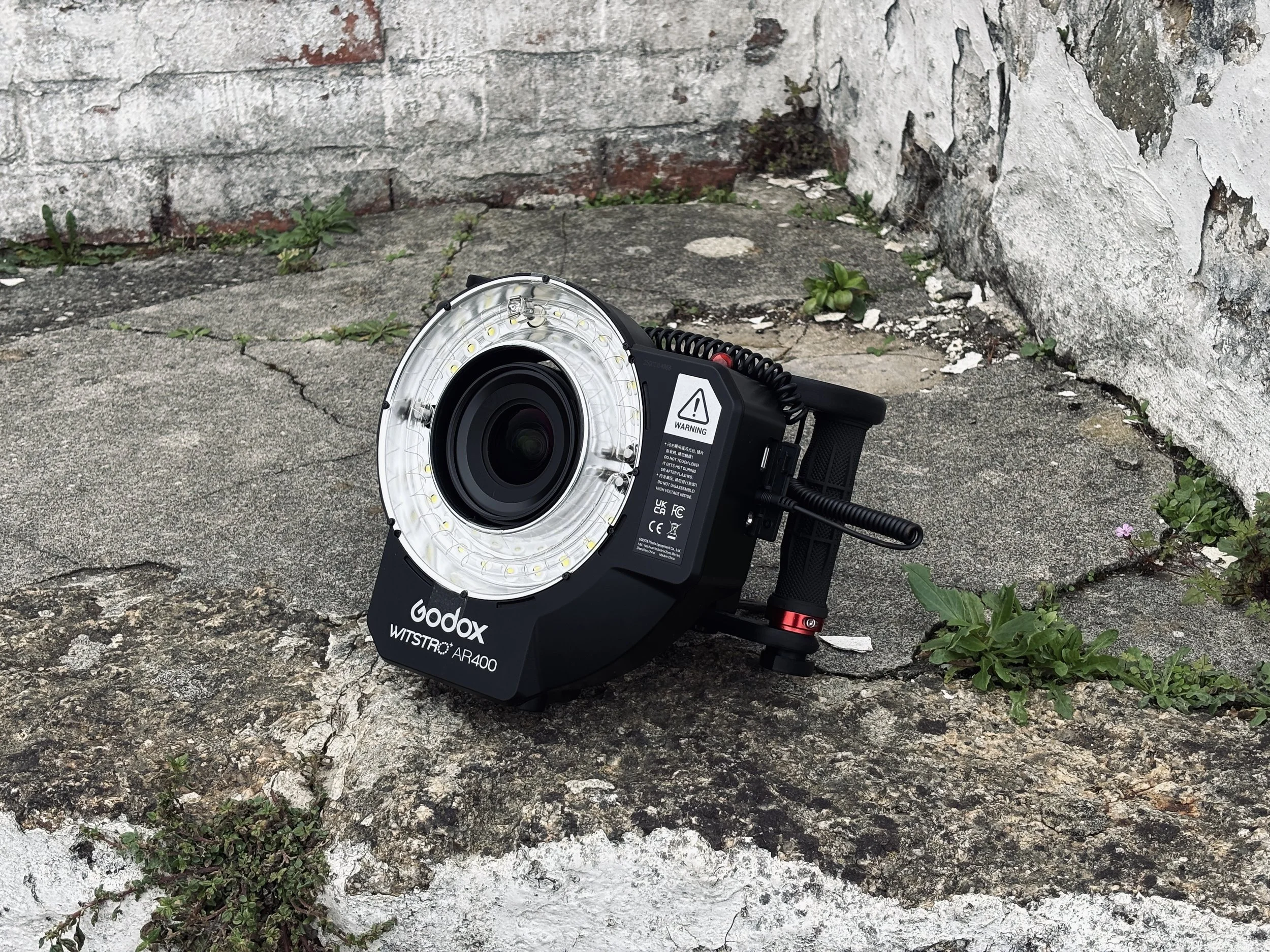
Ground & Internal 3D capture
For very high-resolution detail, objects, interiors and areas a drone can’t reach, we use medium-format cameras and other systems.
Cross-polarised capture and de-lighting remove shadows and reflections so colour stays accurate and true surface detail is recorded. Setups range from turntables for small objects to rigs for on-site features and larger areas. Combine with aerial data for complete coverage.
-
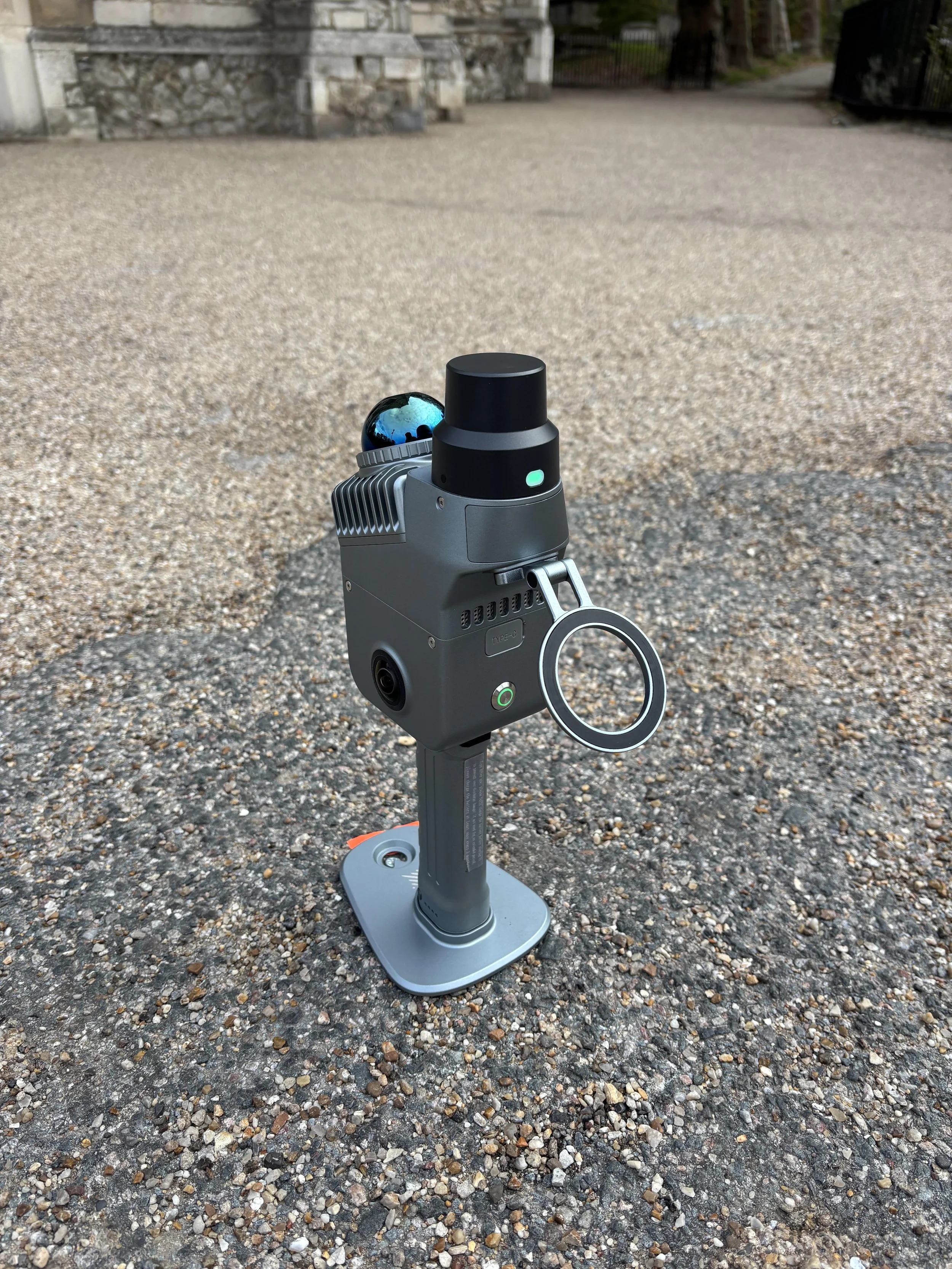
LiDAR & SLAM scanning
We use handheld SLAM (simultaneous localisation and mapping) scanners, which combine LiDAR with cameras to record colourised point clouds while walking through a site.
They work in interiors, stairwells, plant rooms and other confined spaces, and can capture a full site efficiently. Point clouds can be registered to survey control, combined with aerial data, and exported for use in Revit, CAD and other software.
Ready to learn more?
Tell me about your site, use, and deadline. I’ll give you a detailed quote within 24 hours.